How to Calm a Fresh, Spooky Horse Before You Even Get On
Fresh, spooky or sharp before you've even sat on them? Dan Bizzarro explains the small-circle lunging method that settles a horse's energy properly, and the one sign that tells you it's actually worked.
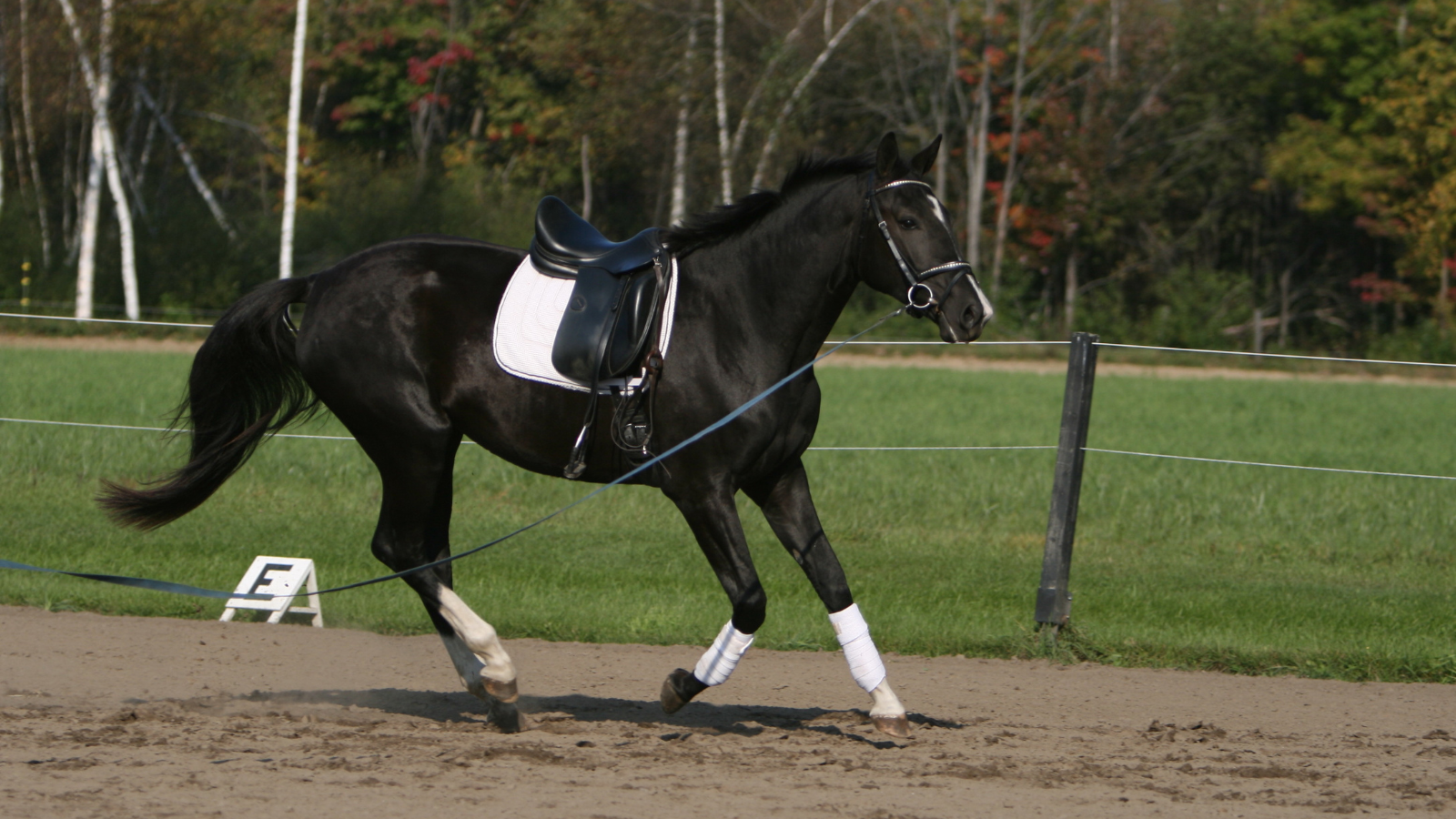
The Strong Horse Solution
Discover the proven techniques Dan uses to build confident, responsive horses that love their work — available as a convenient audio course you can listen to anywhere.
A fresh, spooky or sharp horse almost always has energy levels that are too high for the work you're about to ask for. The fix isn't to get on and hope it settles, it's to lunge them in a small circle in trot, before you ride, until the neck properly relaxes. Not until they look calm. Until the nose drops towards the ground for most of the time you're lunging.
Why is my horse fresh, spooky or strong in the first place?
In most cases it comes down to energy levels being too high before you've even started working. That's not a personality trait, it's a management and preparation question.
The usual causes are feed (the wrong type, or too much of it), environment (a busy, loud yard, or staff who aren't confident or consistent with the horse), routine (not enough turnout), or simply not doing enough of the right work for that horse. Check those first. No amount of clever riding fixes a horse who's fizzing because of what's happening off the yard, not on it.
Once you've looked at those and you've still got a horse who's naturally forward or holds nervous energy, you need a tool that brings that down to a workable level without putting you or the horse in a dangerous situation. That's what the small circle lunging does.
What's the actual technique?
Lunge the horse in a small circle in trot, on both reins, until the neck relaxes and the nose drops towards the ground for most of the time. No gadgets, nothing fancy, just a lunge line, a whip, and a circle small enough to do the job.
Don't let the horse gallop around and be silly at the start. It's tempting to think you're letting them "get it out of their system," but you're actually teaching them that being fresh means they get to do whatever they want, and it's often exactly how horses get hurt. Keep them in trot, in a small circle, from the start.
The small circle is doing the real work here. It forces the horse to bend properly to the inside, which invites them to let go of the tension sitting in the neck and rib cage, and it naturally asks them to slow down, because horses very quickly work out that accelerating in a small circle is a lot more effort than staying steady.
How do I use the circle to control the energy?
Make the circle smaller when the horse speeds up, and let it get a little bigger when they're trotting slowly and settled.
Every time the horse accelerates, tighten the circle and ask for walk or halt if you need to. As soon as they're trotting quietly again, you can let the circle open up a bit. You're not fighting them for control of the pace, you're using the shape of the circle to make rushing the harder option and settling the easier one. The horse works that out for themselves surprisingly fast.
How do I know when it's actually worked?
Don't stop until the nose is low, close to the ground, for at least 80% of the time you're lunging. That's the sign you're looking for, not a slower trot and not a horse that looks quieter.
This is the bit people get wrong most often. A horse can be trotting slowly and look relaxed while still holding real tension through the base of the neck. Lots of horses have never actually learned how to carry themselves with a relaxed neck. It asks them to engage the core and the back and redistribute their weight in a completely different way to what they're used to, and that takes a bit of time to click, especially the first few sessions.
The first time you do this with a horse, it might take a while, ten minutes, twenty minutes, longer. Stay patient and stay consistent. Horses learn quickly that dropping the neck and relaxing is far more comfortable than holding themselves tight, and once that clicks, it gets faster every time you do it.
A real example from a lesson
I had a horse in a lesson recently who was getting tighter and shufflier in the trot every time we asked for more transitions under saddle, the opposite of what you'd expect transitions to do. The rider was doing everything technically correctly and the horse was still getting worse, not better.
We moved that same horse onto the lunge, in a small circle, and simply asked for trot until the neck let go. It took a few minutes of the horse testing whether it could keep the tension before it worked out that softening was the easier option. Once the neck was properly relaxed on the lunge, that same horse went back under saddle and the transitions that had been creating tension minutes earlier were suddenly no problem at all. Nothing about the ridden exercise had changed, the horse's starting energy level had.
What this sets you up for once you're on board
Once the neck is properly relaxed and the energy is where it needs to be, you're starting your ridden session with a horse who's available to listen, rather than one who's just tolerating you until something spooks them. Everything you then ask under saddle, whether that's transitions, contact, or straightness, gets easier because you're not fighting high energy at the same time as trying to teach something new.
This is exactly the starting point I build on in the Strong Horse Solution audio course, where we take a horse from fresh, strong or defensive through to soft, balanced and rideable, one session at a time. If you want to try the approach before committing to the full course, the free introductory lesson walks through the same principles, or you can bring a specific horse to a private lesson and we'll work through it together.
Frequently Asked Questions
How long does it take to calm a fresh or spooky horse using the small-circle lunging method?
It varies horse to horse. Some settle in five minutes, others need twenty the first few times. You're working towards a clear sign, not a fixed time.
Should I let my horse gallop or canter freely on the lunge to burn off the freshness before I ride?
No. Letting a horse tear around teaches them that being fresh means they get to do what they want, and it raises the risk of injury. Keep them working in a small circle in trot instead.
What size should the lunge circle be when using this settling method?
Small. Small enough that the horse has to properly bend through the body to stay balanced, which is what gets them to let go of tension and slow down.
Do I need any special equipment to lunge a fresh horse using the small-circle method?
No gadgets. A lunge line, lunge whip and a small enough space is all you need.
My horse looks relaxed and is trotting slowly on the lunge — why do you say the small-circle method hasn't worked yet?
A slow trot isn't the same as a relaxed neck. Plenty of horses trot quietly with the head held up and the neck still tight. Keep going until the nose is low, close to the ground, for most of the time.
Is the small-circle lunging method only for spooky or nervous horses, or does it work for any fresh horse?
It works for any horse whose energy levels are too high to start straight into ridden work, whether that shows up as spooky, strong, sharp, or just distracted.
Should I lunge my horse in a small circle before every ride?
Only when the horse needs it. If your horse walks out relaxed and focused, you don't need to lunge first. It's a tool for the days energy levels are too high to work with safely and productively.
What if lunging my horse in a small circle doesn't seem to settle them or make any difference?
First look at feeding, turnout and environment, since those are usually the real cause of consistently high energy. If those are right and lunging still isn't helping after a fair number of sessions, that's when to get a coach on the ground with you.
10 Points Better in Your Dressage Test
Eight audio ride-along lessons that improve your geometry, transitions, and test preparation — listen while you school and feel the difference in your scores.
More Articles
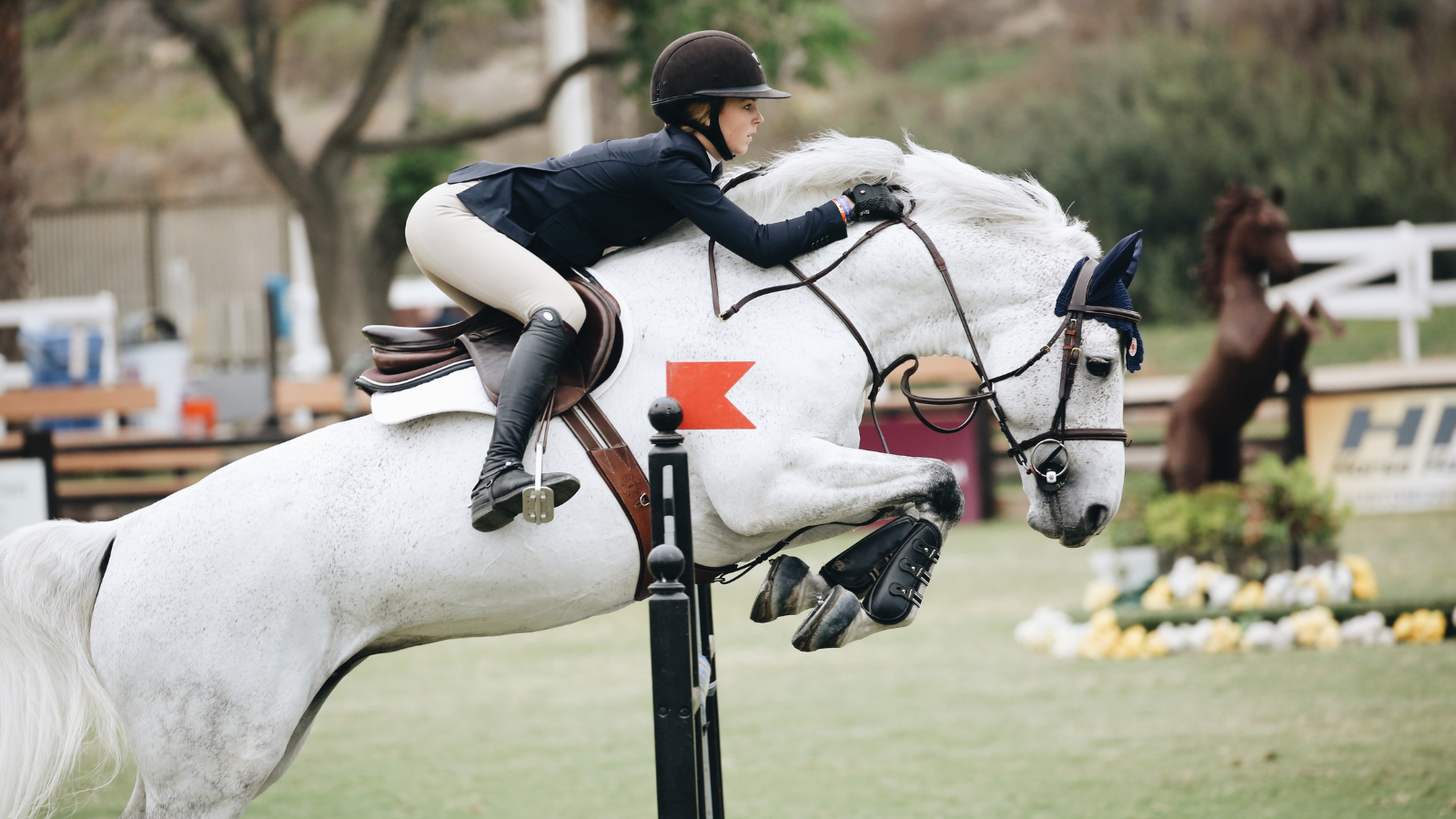
Why Holding the Mane, Not Just the Neck Strap, Fixes Your Balance at a Fence
If you get left behind, thrown forward, or unseated when a horse stops or takes off unexpectedly, it's usually a hand position problem, not a bravery problem. Dan Bizzarro explains why the mane works better than the neck strap.
Why a Simple Training Diary Improves Your Riding Faster Than Your Next Lesson
You won't remember what actually worked last week, even if you think you will. Dan Bizzarro explains the two-minute training diary habit that turns hazy progress into a pattern you can actually use.