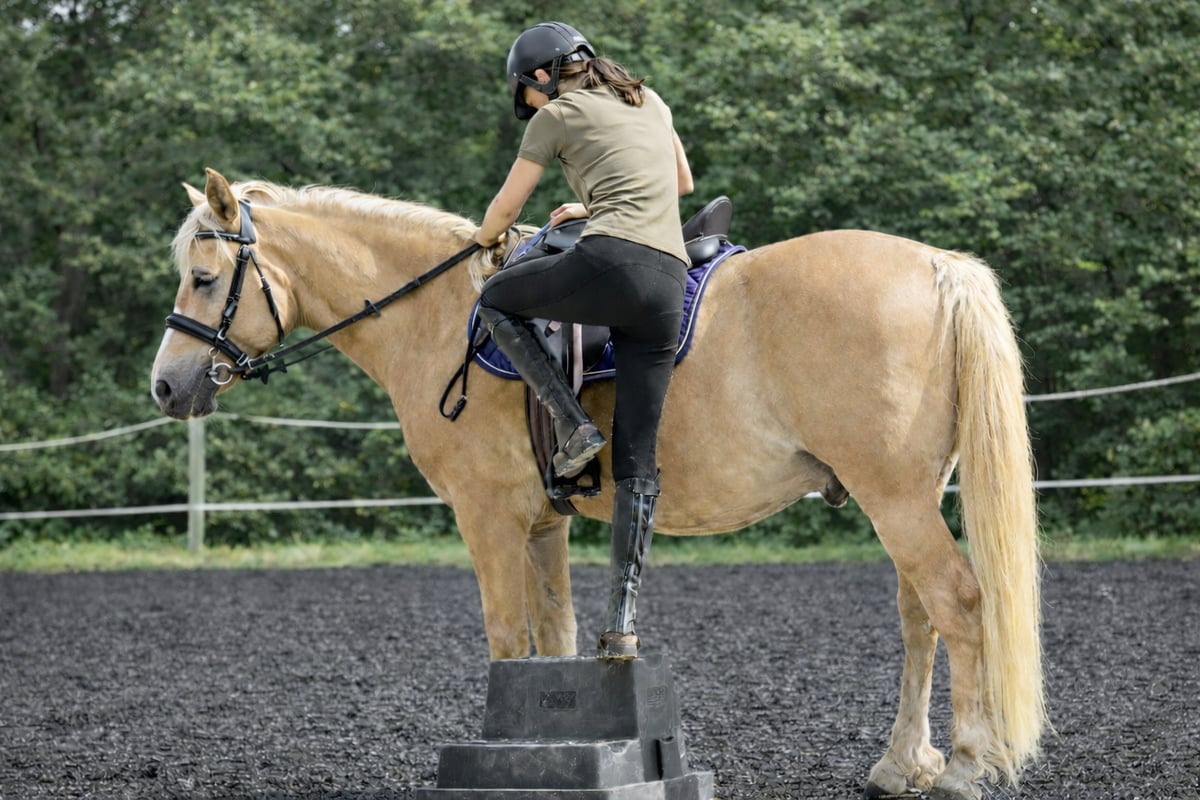
Setting the Tone: Why Your Session Starts at the Mounting Block
Dan explains why the very first interaction of your session matters as much as anything else you do in the saddle.
Expert tips and insights to improve your riding

If I put you on a horse that goes where you want, at the pace you want, and waits when you ask, you would feel confident within three jumps. The problem is rarely you. It is whether your horse meets a basic standard. Here is how to test it.

Dan explains why the very first interaction of your session matters as much as anything else you do in the saddle.

Good distance riding isn't about seeing a perfect stride. Dan Bizzarro explains how to read what a fence is asking and ride calmly to the answer.

A powerful jumping canter isn’t about speed—it’s about rhythm, lift, and adjustability. Learn how to improve your horse’s canter without rushing, and develop better control, balance, and consistency on every approach to a fence.

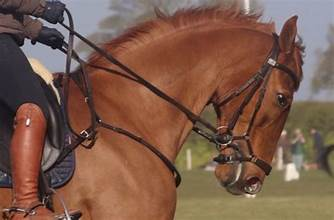
Your horse pulls, leans, and feels like a dead weight in your hands. You've tried shortening your reins, riding stronger, holding firmer — and nothing works. Here's why. It's not a behaviour problem. It's a balance problem.

Most riders think jumping anxiety is a confidence problem. Dan Bizzarro explains why it's actually a canter quality problem — and shares the two-question checklist that changes everything.

Does your horse nap, stop, spin, or refuse to move forward? Learn why this happens and how to fix it with simple confidence-building techniques from the Dan Bizzarro Method.

If your horse falls in, drifts, or ignores your inside leg, you're not alone. Learn a simple, effective method to fix inside-leg reaction using principles from the Dan Bizzarro Method.

If your horse feels fast, quick, or ahead of you, you're not alone — rushing is one of the most common issues I see in lessons. Learn how to fix it in less than 30 seconds.

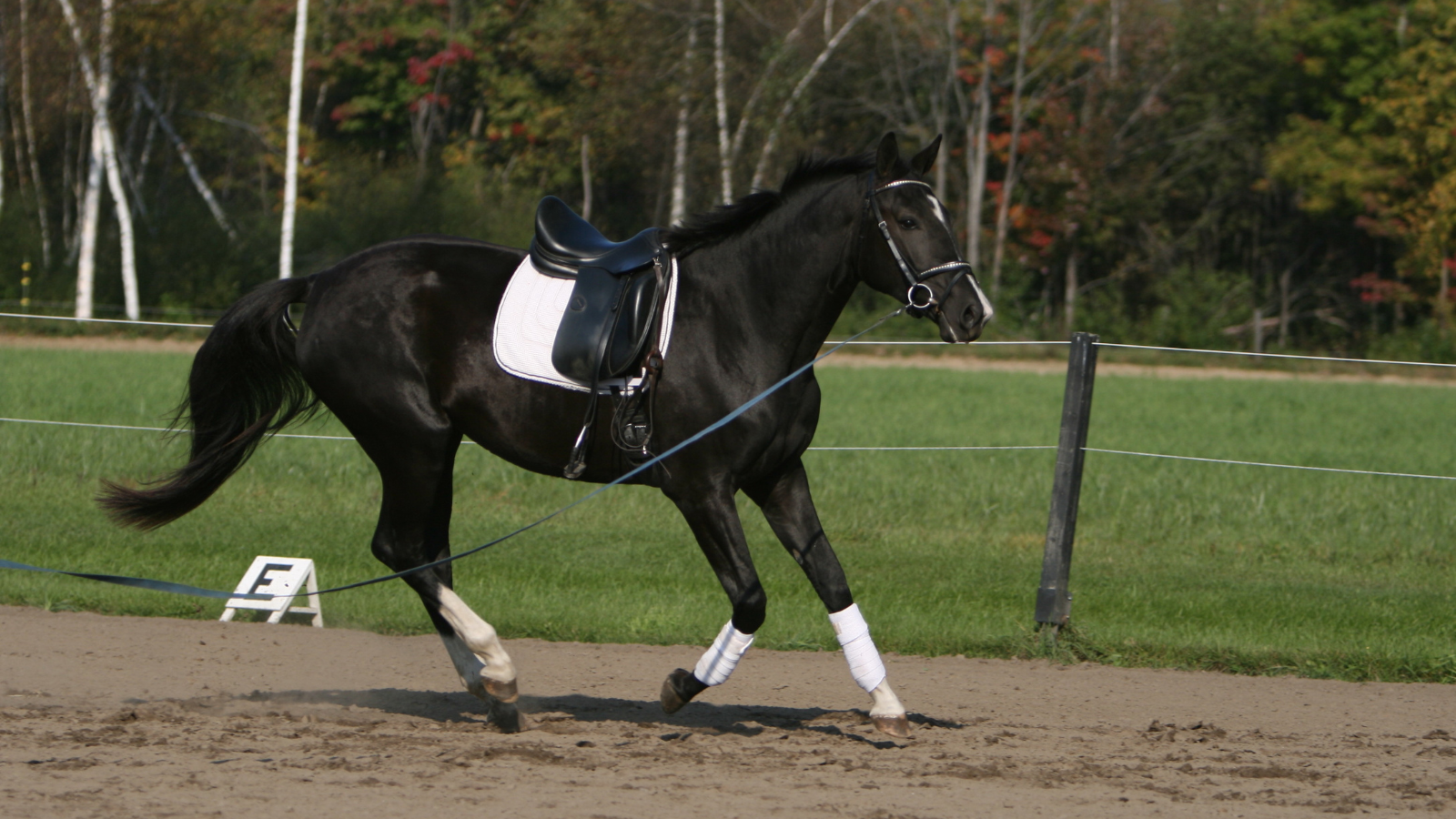
Learn how to make your horse more responsive by improving their first-second reaction to your leg and seat. A simple training habit that transforms balance, softness and communication.

Does your horse lean on the contact, pull, or feel heavy in your hand? Learn the real reason behind leaning — and how riding with no contact helps horses rebalance and carry themselves.

Learn why labelling your horse as lazy, strong, stiff or difficult prevents real progress — and how a simple shift in mindset improves balance, responsiveness and communication.

Learn how to improve your horse's balance and straightness using small circles, square turns, and clear reactions to the inside leg. A practical guide to creating a more organised, responsive, and confident horse.

Discover why well-ridden transitions fix common issues like rushing, leaning, drifting, stiffness and poor balance. Learn simple exercises that transform your horse's self-carriage, straightness and responsiveness.

Learn how circles and square turns improve your horse's balance, engagement, straightness, and responsiveness. A simple, practical guide riders can apply in every schooling session.

Learn why improving your horse's reaction to the inside leg solves drifting, stiffness, crookedness, leaning, and balance issues. A simple and powerful approach to better flatwork.

Discover why riding with deliberately long reins improves balance, self-carriage, softness, and responsiveness — and why "no contact" can fix leaning, rushing, and tension faster than stronger bits.

Learn a simple, clear method to ride a line and count strides confidently. Perfect for amateur riders who struggle with pace, balance, or staying organised between jumps.

Learn a straightforward, effective method to teach your horse to stand still using clear boundaries, timing, and consistency. Perfect for mounting, adjusting tack, or improving overall manners.

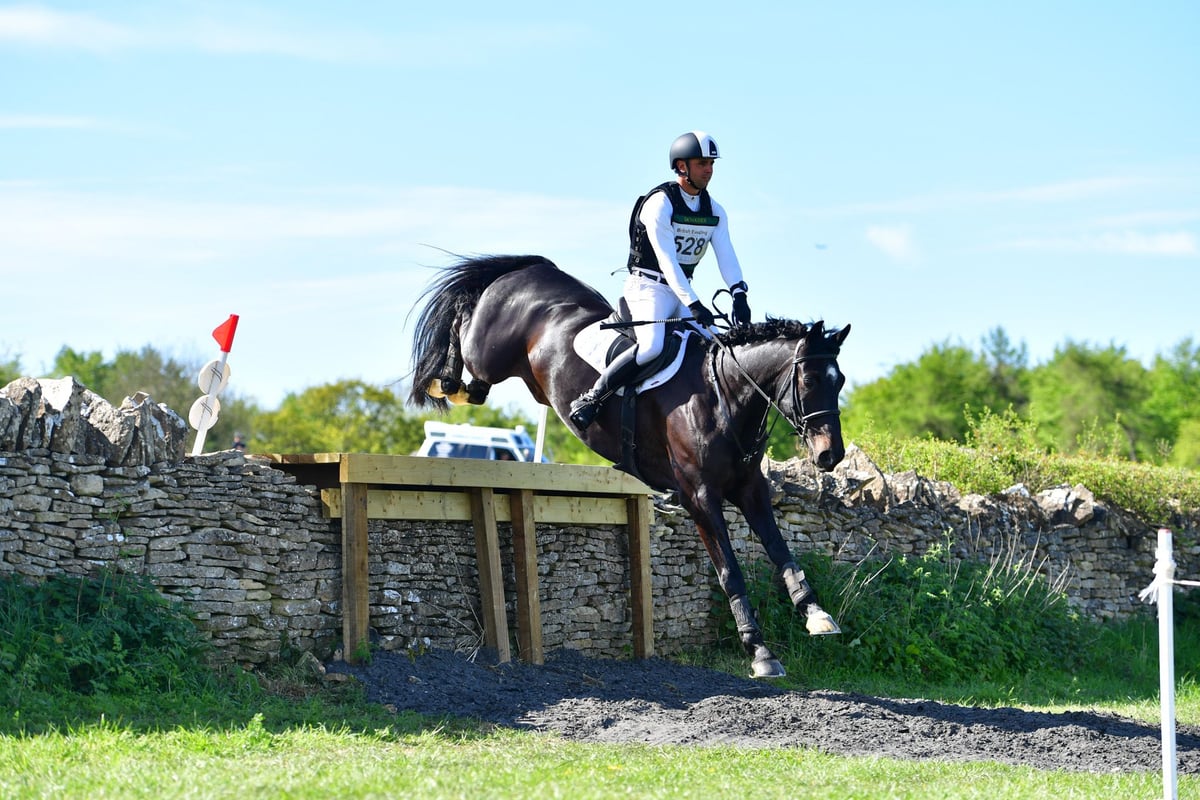
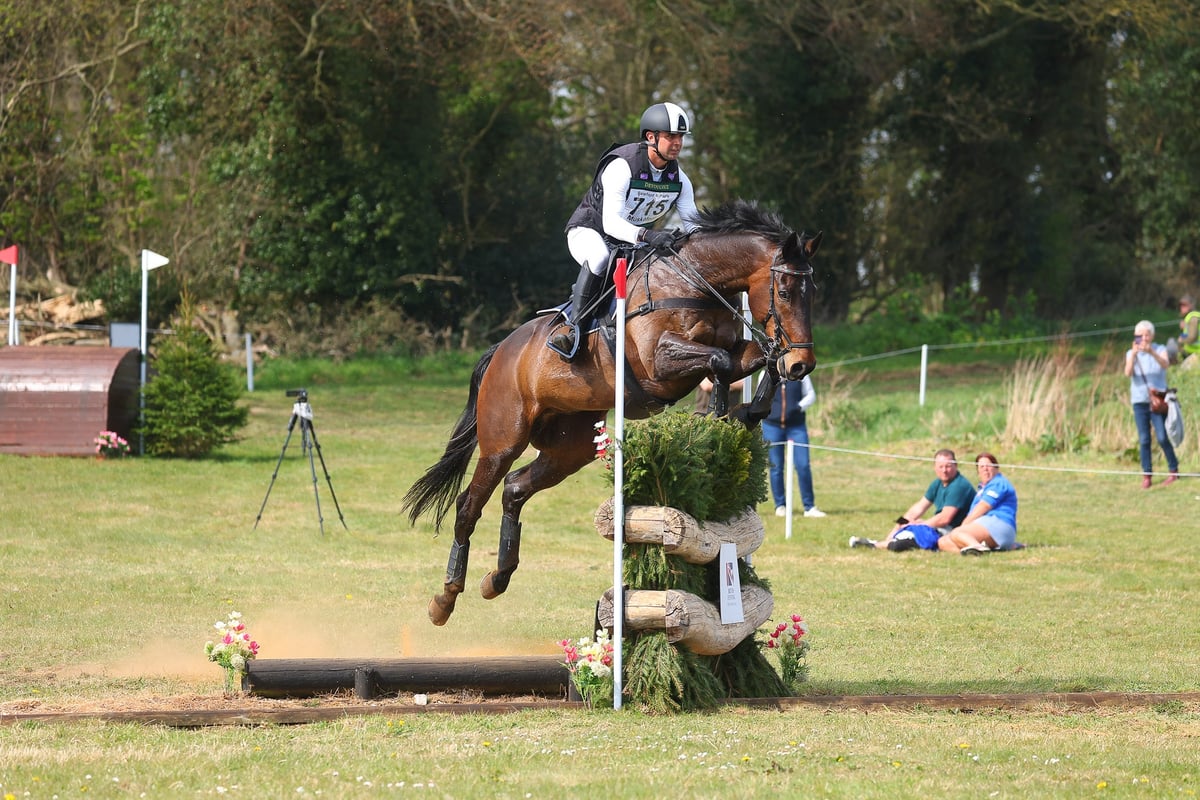
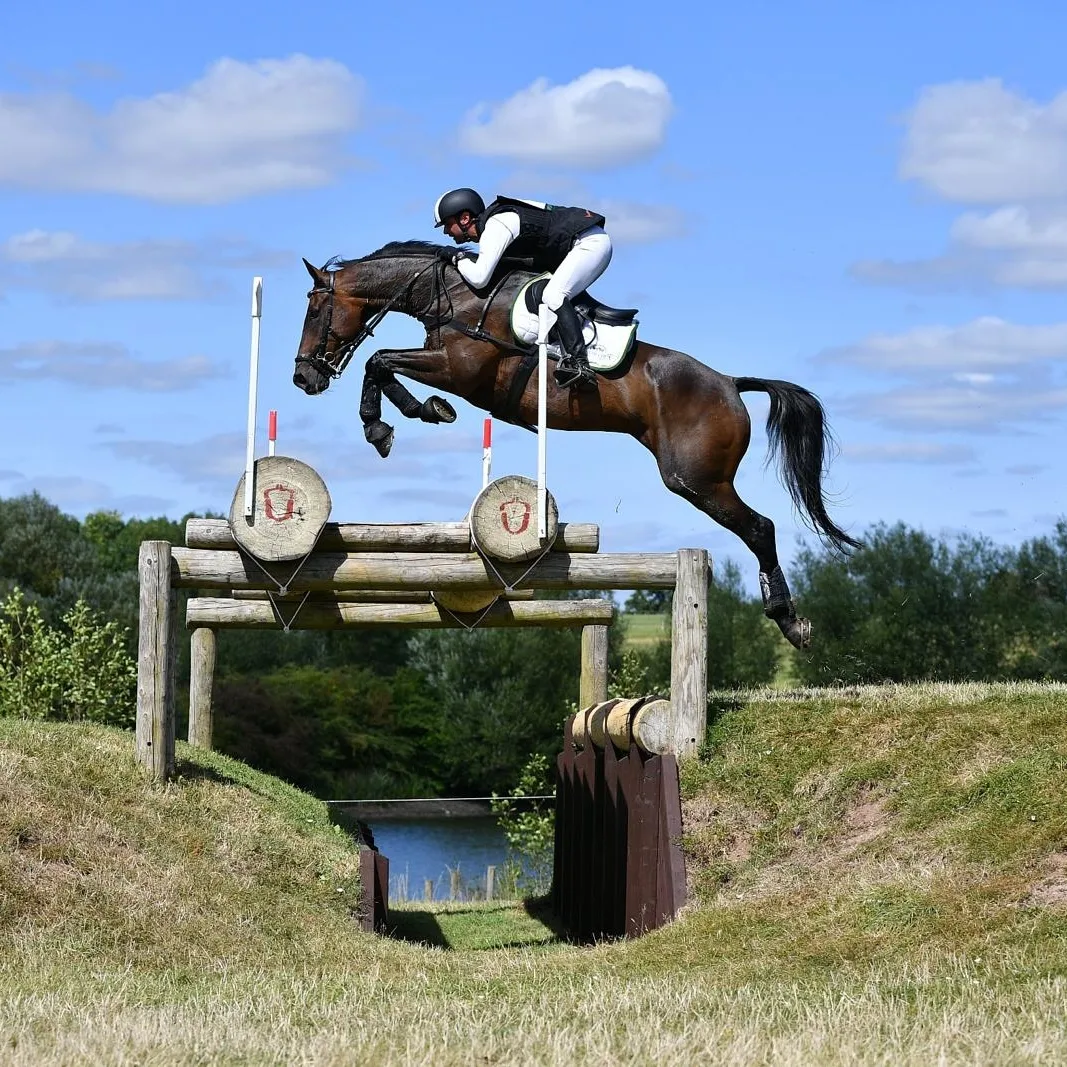
After a few weeks of careful rehab following a setback at Bramham, Riot returned to competition at Upton House with a strong performance in the Open Intermediate. With a solid dressage, clear show jumping, and a confident cross-country round, the outing marked an exciting step forward as they build towards Burgham 4 later this month.

I explore how common labels like “lazy” or “strong” can actually hold us back in training. Instead of managing unwanted behaviour, I explain how to identify the real cause and retrain your horse with clarity, consistency, and simple tools like transitions and soft contact. This is about shifting your mindset—and creating lasting change.

A behind-the-scenes look at Dan’s weekend at Bramham Horse Trials, where unexpected challenges highlighted the importance of listening to your horse. Dan reflects on managing a minor injury, adapting competition plans, and the value of trust in eventing partnerships.