Why More Transitions Can Make Your Horse Tighter, Not Softer
If your horse gets shorter and shufflier the more transitions you ride, the problem isn't the transitions, it's what your hands do the moment she gets tight. Dan Bizzarro explains the snap circle fix.
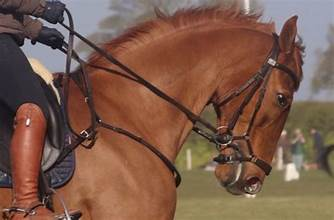
The Strong Horse Solution
Discover the proven techniques Dan uses to build confident, responsive horses that love their work — available as a convenient audio course you can listen to anywhere.
Some horses get shorter, shufflier and tighter the more transitions you ask for, not looser and softer like the textbook says they should. That's not a reason to stop doing transitions. It's a sign that the tension is being trapped in the neck each time, usually because the rider shortens the rein the moment the horse gets tight, instead of releasing it with a small, sharp circle.
Why do transitions sometimes make a horse worse, not better?
Because transitions only improve a horse if the tension created by each one has somewhere to go. If it doesn't, it just accumulates.
Every transition asks a question, and if the horse's honest answer is a tighter neck and a shorter stride, doing the same transition again without dealing with that tension first just repeats the problem. You end up doing more of the thing that isn't working, and both horse and rider get more frustrated. This is exactly the horse who starts questioning you mid-session, almost saying "why are we doing this?" and getting shorter and more defensive rather than settling.
What's actually causing the neck to get short and tight?
In almost every case, it's the rider shortening the rein to hold the contact the moment the horse's neck gets tight, rather than making the neck soft first.
Follow the chain through. The horse doesn't relax through the poll, so the rider feels the contact go, so the rider shortens the rein to get it back, so the neck stays tight and gets held there. It feels like the correct response in the moment, because you've genuinely lost the contact and shortening the rein gets it back. But a tight neck is a short neck, and you've just confirmed to the horse that holding tension is fine, because you're the one taking up the slack instead of asking the horse to let go.
What's the fix, if it's not more transitions or a shorter rein?
The moment you feel the neck get tight, open the inside rein and ride a small, sharp circle, then soften the instant the horse lets go. Not a held turn, a quick snap out of the tight moment.
The circle has to be small enough that the horse genuinely has to bend to stay balanced in it, because that's what forces the base of the neck, the part actually connected to the back, to release. As soon as you feel the horse's neck soften, even for two or three strides, relax and carry on. If the tension comes straight back, do it again. You're not doing this to punish the horse or to drill a smaller circle, you're using the shape of the circle to get the neck out of a tight situation faster than words or a held rein ever will.
Reins matter here too. Riding this on a longer rein, not a short one, is what tells you honestly whether the neck is actually soft or whether you're just holding it in a shape. If you can only get softness with short reins, you haven't got softness yet, you've got a horse who's being held together.
How is this different from just doing another transition?
A transition asks the horse to change pace. The snap circle asks the horse to let go of tension in the neck, right now, in that stride. They're solving two different problems, and a horse holding tension needs the second one dealt with before the first one will actually improve anything.
Once the neck is genuinely soft, transitions start doing exactly what they're supposed to do, because there's no trapped tension left for them to aggravate. This is also why suppleness needs to come before you chase an even, consistent contact on both reins. Ask for softness first. Consistency and strength are things you build once that's there, the same way a gymnast trains flexibility before loading it with strength work, not the other way round.
A real example from a lesson
I had a horse recently who was getting more and more shuffly and short in the trot every time we asked for another transition, exactly the opposite of what the rider expected. She was doing the transitions correctly, but the horse kept getting tighter, not softer.
We stopped adding transitions and instead worked on serpentines and figure of eights with longer reins, so the horse had room to actually bend rather than being held in a shape. Every time she got tight in the trot, we asked for a small, sharp circle, opened the inside rein, and let her snap out of it, then softened straight away. Within a handful of these, as soon as the rider opened the inside rein, the horse's neck would let go on its own, before the circle was even finished. Only once that was happening reliably did we bring transitions back in, on a turn, with flexion, rather than on a straight line, and they suddenly stopped creating any tension at all.
Where this fits into the bigger picture
A horse that gets tighter the more you ask isn't being difficult, they're telling you the tension has nowhere to go yet. Give it somewhere to go, with a genuinely soft, longer rein and a quick circle the moment things get short, and the transitions you were already doing correctly will finally start to work.
This is one of the core problems I work through in the Strong Horse Solution audio course, teaching a horse to soften and carry themselves rather than being held together by the rider. If you'd rather work through it on your own horse directly, a private lesson is the fastest way to get eyes on exactly what's happening in the moment your horse gets tight.
Frequently Asked Questions
Does the fact that transitions can make a horse tighter mean I should stop riding transitions altogether?
No. Transitions are still one of the best tools you have. The issue is timing and what you do with your hands the moment the horse gets tight, not the transitions themselves.
Why does my horse get shorter and tighter in the neck the more transitions I ride?
Almost always because the rider shortens the rein to hold the connection the moment the neck gets tight, which traps the tension instead of releasing it. The horse gets tighter, the rider holds more, and it builds.
What is the snap circle exercise for releasing tension in a horse's neck during flatwork?
The instant you feel the neck get tight, open the inside rein and ride a small, sharp circle, then soften immediately as soon as the horse lets go. It's quick, not a held turn.
How small should the snap circle be when using it to release neck tension mid-session?
Small enough that the horse has to properly bend to stay balanced. If it's not making a difference within a couple of strides, it's not tight or small enough.
Should I ride on long or short reins with a horse that gets tighter the more transitions I ride?
Longer than you think. A soft neck can be ridden on a longer rein. If you find yourself needing short reins to keep a connection, that's a sign the neck isn't soft yet, not a reason to hold on tighter.
Does every horse get tighter the more transitions you ride, or does this vary horse to horse?
No, and that's the point. Some horses genuinely get looser the more transitions you do. Others get tighter the more you ask, particularly if they hold tension naturally. You have to ride the horse in front of you, not a formula.
How do I know if my horse is genuinely soft through the neck, or just going slower?
Ask yourself if you could make the horse rounder right now, just by resisting gently with the outside rein, without shortening your reins. If the answer is yes straight away, the neck is soft. If it takes effort, it isn't yet.
10 Points Better in Your Dressage Test
Eight audio ride-along lessons that improve your geometry, transitions, and test preparation — listen while you school and feel the difference in your scores.
More Articles
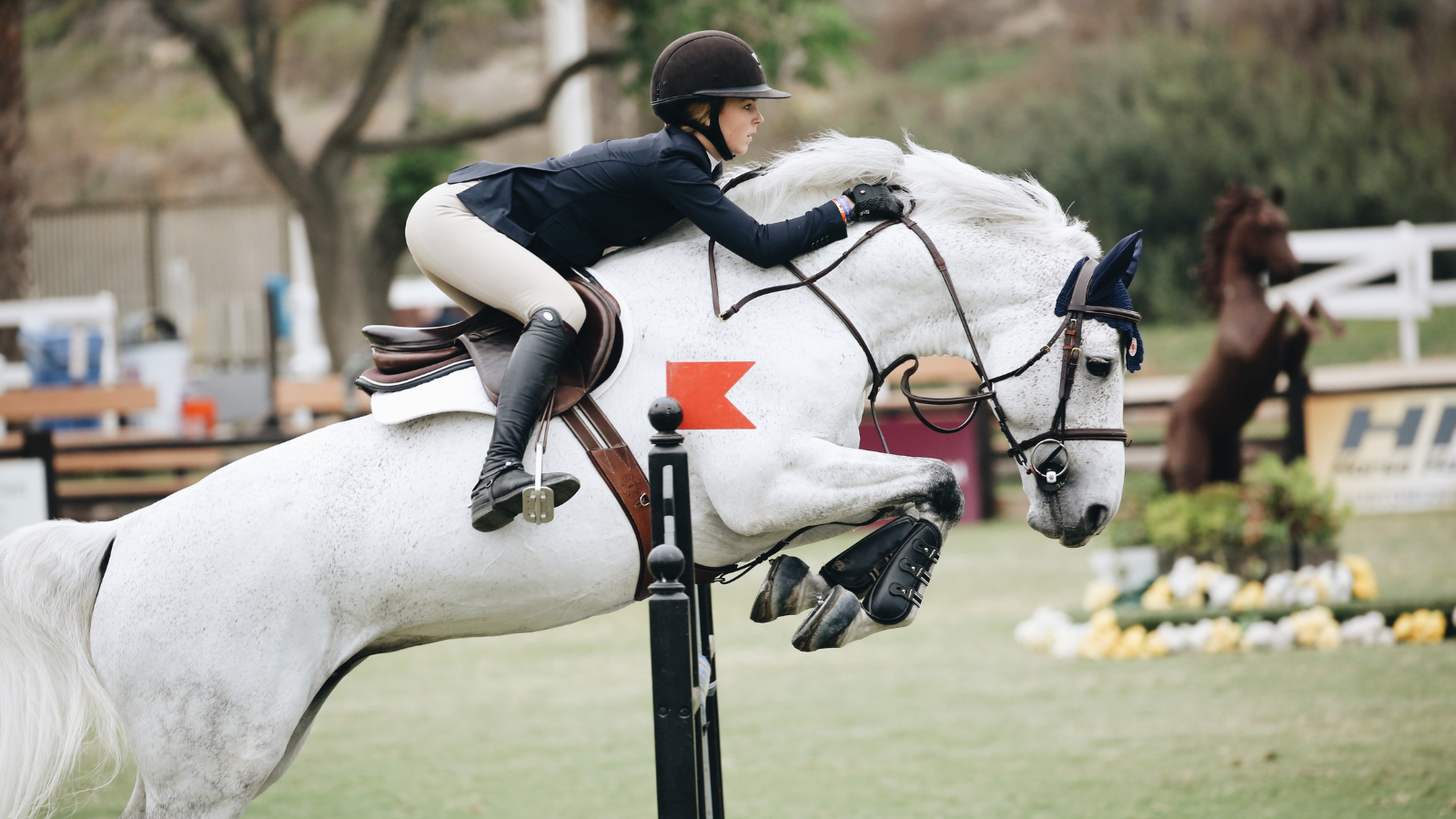
Why Holding the Mane, Not Just the Neck Strap, Fixes Your Balance at a Fence
If you get left behind, thrown forward, or unseated when a horse stops or takes off unexpectedly, it's usually a hand position problem, not a bravery problem. Dan Bizzarro explains why the mane works better than the neck strap.
Why a Simple Training Diary Improves Your Riding Faster Than Your Next Lesson
You won't remember what actually worked last week, even if you think you will. Dan Bizzarro explains the two-minute training diary habit that turns hazy progress into a pattern you can actually use.